





AI SaaS Development
We build SaaS tools where AI is the main product feature, ready for subscriptions and user growth


Content Generation Tools
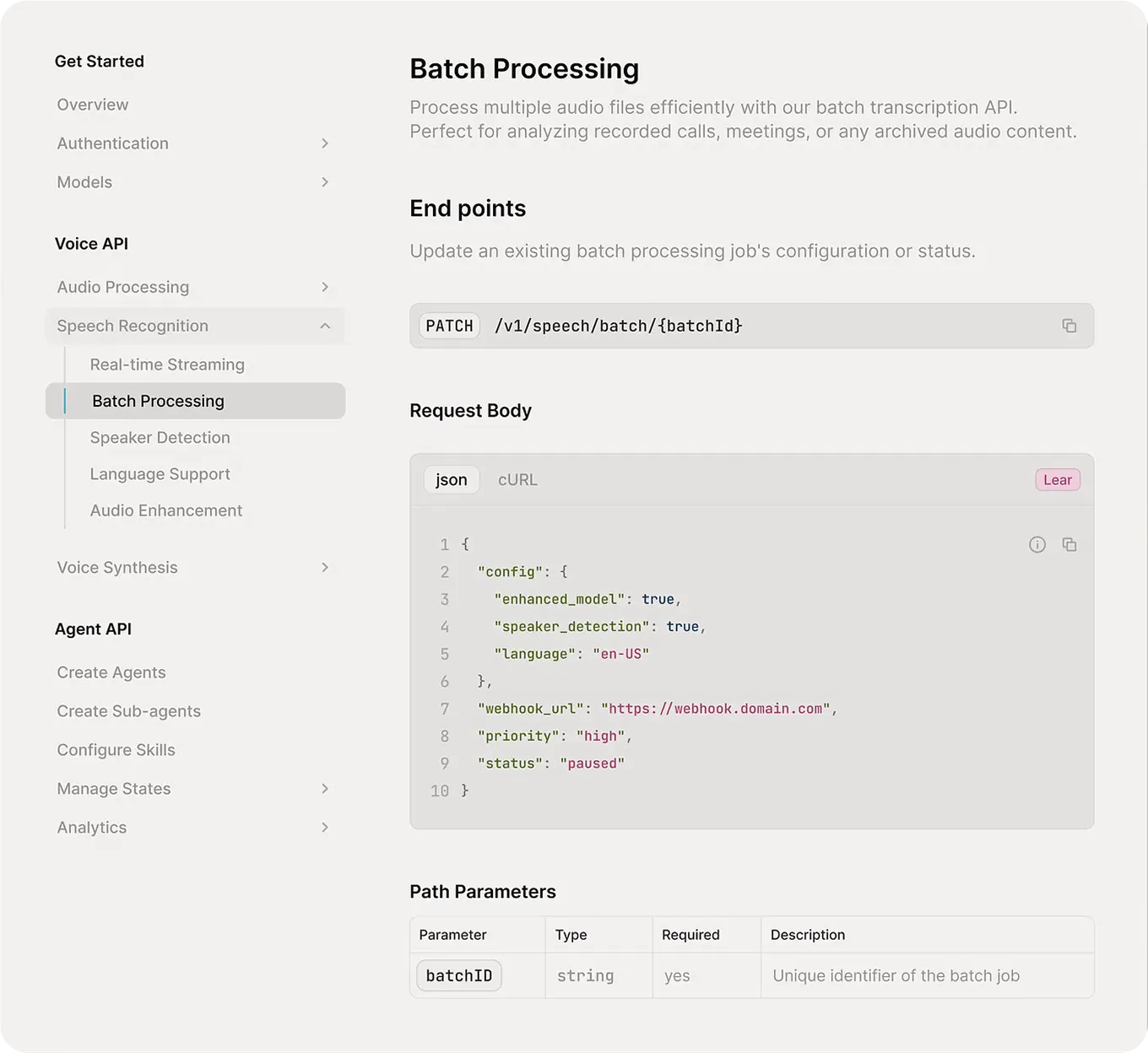
Applications for writing, summarizing, or translating text using APIs like OpenAI or Claude

Data Processing Apps
AI-powered apps that classify, tag, or analyze documents and datasets for faster insights
AI-Powered Research Assistants
Custom apps for industries like finance, education, or healthcare to analyze sources and provide structured results
Workflow Integrations
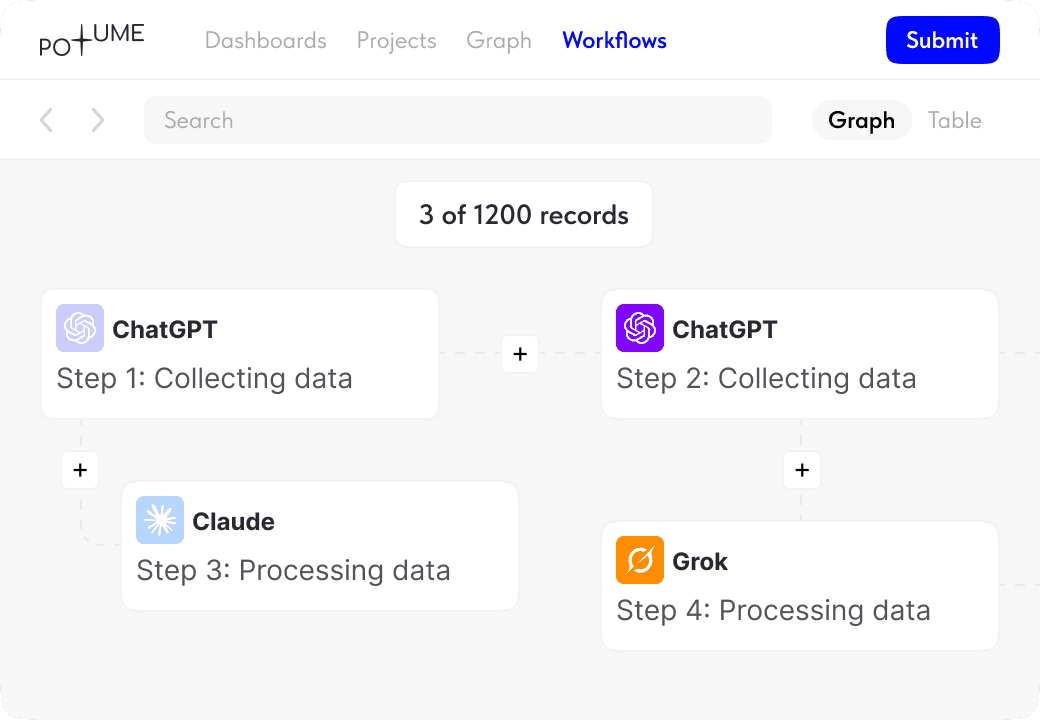
We connect AI into CRMs, CMSs, or automation platforms like n8n for specific tasks
Customer Support Chatbots
Connect AI chatbots to existing helpdesk systems, reducing average support response time by up to 60%
Frontend Development Process
How We Build AI Products
From idea to launch, we focus on making AI practical and valuable inside real applications
Step 1
Idea & Feasibility
We analyze your concept and validate how AI APIs can realistically solve the intended problem
Step 2
Architecture & Prototyping
We design system architecture, choose the right APIs, and prepare a prototype for early validation
Step 3
Core Development
We build the application with React, Next.js, and NestJS, integrating AI features as the foundation of the product
Step 4
Testing with Real Data
We test AI outputs with your datasets or use cases to refine quality and usability
Step 5
Launch & Scaling
We deploy the product, monitor API usage, and optimize performance for scaling users and requests
FAQ
What kind of AI projects can you develop?
We build SaaS tools, research assistants, chat platforms, and apps where AI is central to the product experience
How long does an AI-based MVP take?
Most AI MVPs can be launched in 8–12 weeks, depending on complexity and required integrations
Can you integrate AI into an existing app?
Yes, while our main focus is AI-first products, we can add AI features into existing software
How do you keep costs predictable with API usage?
We implement monitoring and rate-limiting, and design the system to avoid unnecessary requests, keeping API expenses under control